
Our future is nuclear
Small Modular Reactors (SMRs) rethinking nuclear power
Humans are an innovative species. From the first fire to the industrial revolution to the electrical revolution, humans have always strived for innovation and positive change. But some of these steps to modern technology have come at a cost. The most pressing issue derived from these events is global warming. There are obvious warning signs for a global catastrophe if we aren’t in one yet. But these problems aren’t unfixable. If there is one thing I’ve learned from my history class, it is humans’ constant ability to adapt. The fight against Global Warming in itself isn’t an irreparable cause. If anything, humanity is down 3-0 going into game 4, and we will come back to wrap up the series between human innovation and a world disaster in game 7.
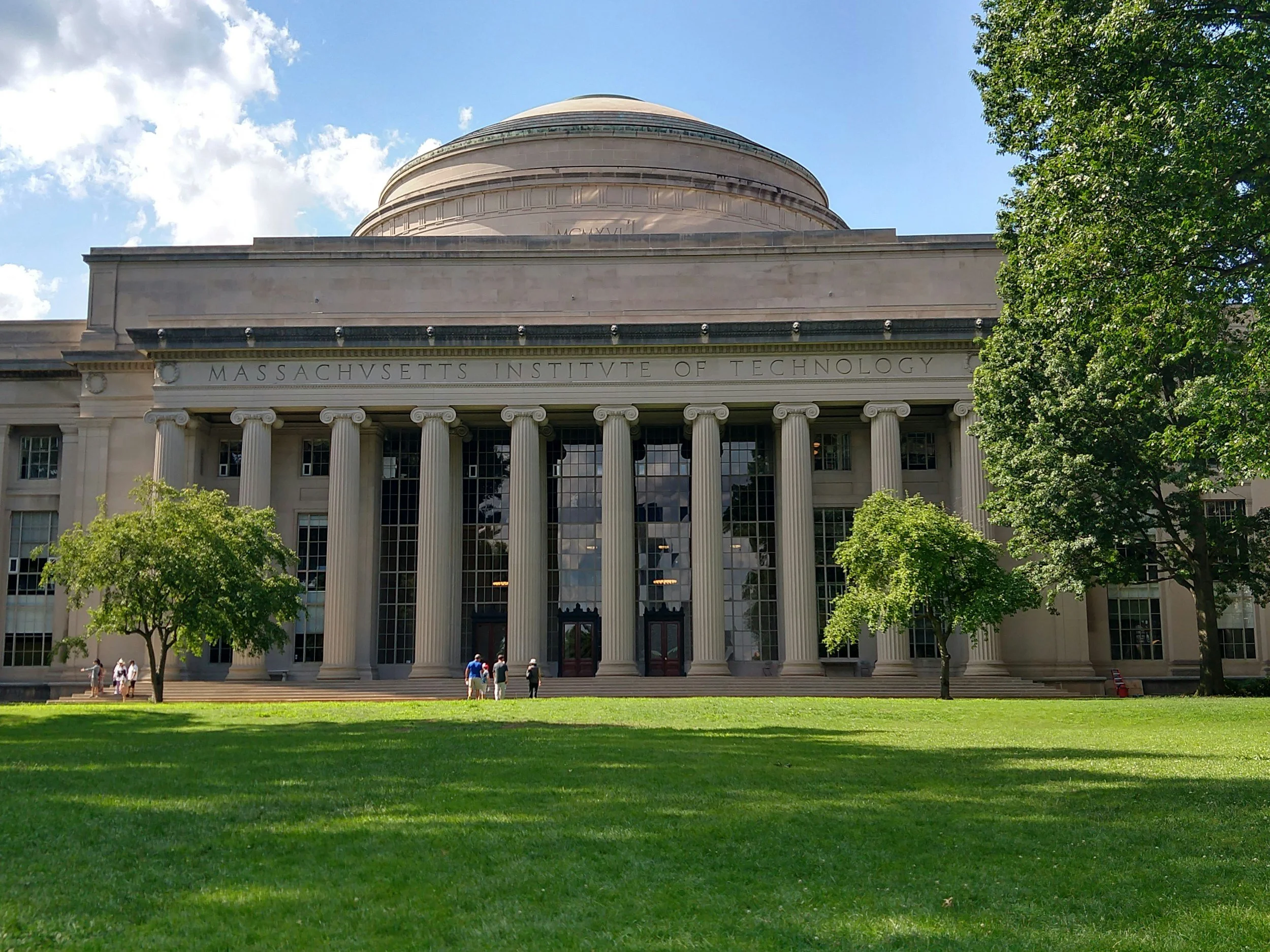
On a recent vacation, I visited Boston, touring both Harvard and MIT with architecture professors at their respective schools. The most interesting fact that stood out to me during that trip, though, was not the programs both schools have, but actually was how MIT was looking to transition to a carbon-negative school. That doesn’t even mean carbon neutral. MIT wants to remove more carbon dioxide than they release. And the power source to drive this possible precedent in the fight against global warming is a miniature, portable version of a nuclear reactor. These are called Small Modular Reactors, otherwise known as SMRs.
What are SMRs?
SMRs are essentially an advanced, yet miniaturized nuclear reactor that still produces up to 300 MW(e) per unit, about one-third of the generating capacity of traditional nuclear reactors. For a perspective of how strong this reactor is, its generating power could provide energy for 200,000 to 300,000 homes. Another benefit of these generators is their ability to be manufactured, transported to, and sited on a specific location, rather than building large power reactors that are both more time-consuming and expensive. Likewise, the SMRs also provide more enhanced safety protocols as most of the work is done naturally; therefore, with little to no human interaction, these reactors can shut themselves off in case of an emergency. According to the IAEA, SMRs offer savings in cost and construction time, and they can be deployed incrementally to match the world's increasing energy demand. And compared to conventional plants, where refueling is required every 1-2 years, for SMRs, it’s only every 3-7 years. An almost infinite list of the positive impacts of these SMR’s can be talked about, but there are 5 key features of these reactors. This includes: The black start, islanding, underground construction, fuel security, and modularity.
The U.S. Department of Energy explained these features: The black start is a function of this reactor to be able to start up by itself from a completely de-energized state without receiving power from the grid. Islanding means that SMRs are operational while connected to the grid or independently. Underground construction allows for these reactors to be less vulnerable to weather and physical attacks. SMRs can also easily store fuel on-site for a decade or more without needing an external fuel supply, proving the fuel security of these reactors. And finally, the modularity of the SMR minimizes the use of electrical parts and passive cooling features to safely shut down without pumps or operator intervention.
Rewriting the Narrative
In the position humans are in right now, there must be a larger amount of work put into fighting the catastrophe that is global warming. Current renewable energy sources, such as wind and solar, are good; however, they are not the solution, as they are too dependent on certain variables to produce energy. Of course, this is impossible to maintain; therefore, we must disregard the stigma of nuclear being unsafe, as it is clearly wrong when it comes to the safety of SMRs. The energy potential is too large to be afraid of nothing. We must use this new, world-saving invention, as usual, human innovation comes back to win the series 4-3.